Thinking about clean energy for your house? Planning a switch can feel big, but the process is clear and manageable. Expect the full project to span about two to six months from first call to final approval.
The physical work on the roof is the quickest part. Most installs finish in a few hours to a few days. After crews leave, a city or utility inspection usually follows before you flip the system on.
Good preparation speeds things up. A trusted company will handle site assessment, system design, permits, and utility approval. You may wait for equipment or permits, but that delay helps ensure safe, lasting results.
Why it’s worth it: homeowners get reliable energy and meaningful savings for about 25 years. Check roof condition, review incentives, and pick experienced installers to keep the timeline smooth and the outcome strong.
Understanding the Solar Panel Installation Timeline
Project timing often hinges more on paperwork than on the roof crew’s schedule. Bryce Bruncati of 8MSolar notes that most projects run about 60 to 90 days from signed contract to operation. That span covers design, permits, and grid connection—not just the few days spent on the roof.
The total time can vary depending on the company you pick and local demand. Some firms have many crews and move fast. Others juggle busy calendars and stretch projects into months.
Homeowners should expect key steps: system design, permitting, and utility approval. The physical work is short, but administrative steps add weeks. If you’re racing to meet incentives, discuss timelines with installers early.
“Plan for coordination with local permitting authorities and your utility to avoid surprises.”
- Tip: Ask installers about typical project timelines and crew availability.
- Resource: Read a detailed solar installation process guide at solar installation process.
Pre-Installation Planning and Site Assessment
Before any crew climbs the roof, careful planning sets the project up for success. A site assessment usually takes a few hours, but scheduling often adds about a week.
Choosing a Reputable Installer
Pick companies with at least five years of experience and NABCEP certification. These credentials show installers who know local codes and good practice.
Get at least three quotes to compare price, warranties, and timelines. That helps you find the best value for your home.
Designing Your Custom System
A professional design typically takes 2–3 weeks. Complex roofs or added battery storage may push design to about 4 weeks.
Design accounts for energy use, roof layout, and any electrical upgrades. You may need a panel upgrade if your service is under 200 amps.
“A clear site assessment and solid design cut surprises and speed up installations.”
| Step | Typical time | Key benefit |
|---|---|---|
| Site assessment | Hours (scheduling ~1 week) | Verifies roof and site readiness |
| System design | 2–3 weeks (up to 4) | Maximizes energy and placement |
| Quotes & prep | Days to weeks | Better price and fewer surprises |
Navigating the Permitting and Approval Process
Permitting and approvals are often the biggest scheduling hurdle for a rooftop energy project. In many towns the permit review can run from 2 to 7 weeks, and that span often dominates the project timeline.
Missing a filing deadline can stall progress by an extra month. Some municipalities close their review cycle for a period, so a late packet may wait until the next meeting. Also, unpermitted work on your home can create major delays during approval.
Local codes vary a lot. Some jurisdictions require specific setbacks for where you place your panels and system hardware. That rule can change the design and add weeks to approvals.
“Proper coordination between your installer and the permitting office keeps the project on track.”
Good news: parts of California now use online portals that can speed approvals, sometimes to the same day. The utility company will still review plans to confirm safety before granting permission to operate.
- Expect permitting to be the slowest part of an installation.
- Have your installer check for any unpermitted work on the property early.
- Ask about local setbacks and online permitting options to reduce delays.
For a state-by-state estimate of permit timing, see this permit timeline guide. Clear communication between your installer, the local office, and the utility company keeps the approval process smooth and predictable.
The Physical Installation Phase
Installation day brings the site alive as racking, panels, and electrical work come together.
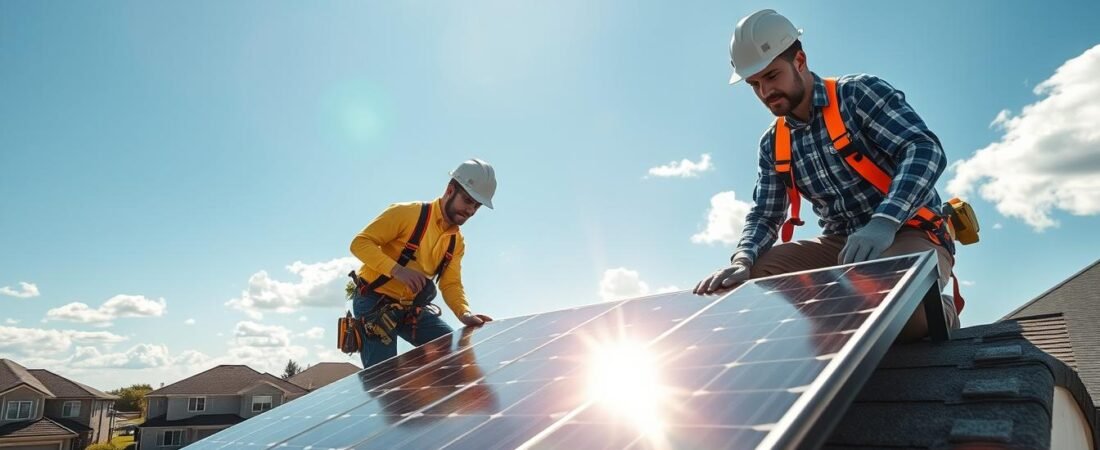
What to expect on installation day: Crews arrive at your house with mounts and tools. They secure racking to the roof, set panels in place, and run the wiring down to your main electrical panel.
The typical installation spans between 6 hours and 3 days, depending on roof layout and equipment. Larger systems or projects that include a battery may need extra coordination with the utility for a power drop.
Make sure the roof is clear of debris and pets so installers can work safely. Modern panels are lightweight, and experienced teams move efficiently across the site.
- The crew mounts rails and attaches panels to the racking.
- Electricians tie wiring into your home service and test connections.
- If batteries are included, the team spends extra time integrating that equipment.
“The physical install is the visible finish of weeks of design and permitting work.”
Good to know: supply issues have eased for many suppliers, so equipment usually arrives on schedule and keeps the process moving smoothly.
Final Inspections and Grid Interconnection
Final checks lock in safety and let your home start generating clean energy. After crews finish, two main steps remain: a local safety review and utility interconnection. These steps confirm the equipment and wiring meet codes and that the system can join the grid safely.
Passing Local Safety Inspections
City inspectors usually schedule a visit within 1–2 weeks. They check racking, wiring, and roof penetrations to ensure everything meets building and electrical codes.
Tip: ask your installer to correct any issues fast. Failing an inspection adds days and costs to the project.
Obtaining Permission to Operate
Next, the utility performs its review and installs or swaps the meter. Interconnection and permission to operate often take 2–6 weeks and can vary depending on utility workload.
- Some companies file interconnection permits during the work to save time.
- Duke Energy, for example, uses a 14-day window for inspection and meter swap.
- Once the utility grants approval, you can turn on your solar panel system and begin generating energy.
“A coordinated handoff between installers and the utility keeps the final phase efficient.”
Conclusion: Why the Wait is Worth It
A careful process now gives you steady savings and energy for many years. Though the full installation can span months and a few weeks of approvals, the result is a durable system that lowers bills and boosts home value.
By choosing a trusted team and following the key steps, you ensure your panels are fitted right and your system performs well. Minimal maintenance and no moving parts mean reliable output with small upkeep.
Patience during permits and inspection pays off: you’ll claim incentives, protect against rising utility costs, and enjoy the pride of generating your own energy. The modest wait is a smart trade for long-term benefits.