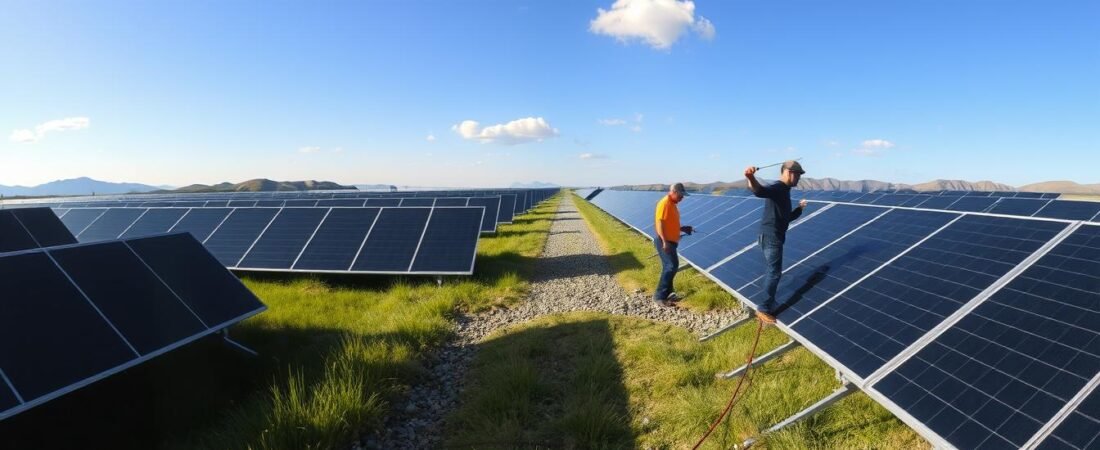
What this guide gives you: a clear, practical plan to design, set up, monitor, and care for a rooftop or ground-mounted system so real-world energy output stays close to estimates. Expect a friendly, U.S.-focused roadmap for homeowners and small businesses.
Key facts up front: well-built PV arrays often last 25–30+ years. Power drops slowly, roughly 0.5–1% each year, and many makers guarantee about 80% output after 25 years. Neglect can cut real yields by roughly 10–25% over time.
We cover pre-install design choices, quality checks at setup, monitoring systems, and a repeatable year-after-year routine. The system includes inverters, wiring, mounts, roof interfaces, and software — all affect electricity and efficiency.
What to expect: this is an investment for decades, not a one-time swap. Follow safety-first tips, avoid risky actions like walking on modules, and use common U.S. tools and standards (NREL references) to protect warranties and maximize savings and sustainability.
What “Proven Performance” Means for Solar Panels in Real-World U.S. Conditions
Rated capacity is a starting point — actual daily and yearly yield depends on many local variables.
Three numbers you’ll see: the nameplate rating, modeled production estimates, and your metered output. Nameplate is a lab value. Models use location and tilt. Metered output shows what your system actually delivers.
Why estimates and actuals differ
Common factors include seasonal sunlight swings, unexpected shading, soiling, heat-driven efficiency drops, and equipment or communication glitches.
- Seasonal and weather variation changes daily energy production.
- Partial shade and soiling quietly reduce yields over time.
- High heat lowers immediate output; airflow under a roof-mounted panel helps limit that dip.
Degradation and long-term value
Expect about 0.5–1% loss per year. That small yearly decline adds up, but it is gradual rather than sudden. Warranties commonly target ~80% of rated power after 25 years.
Practical takeaway: a 25–30 year system still returns strong value when declines fall within these ranges and routine checks catch issues early. Track trends with monitoring — long-term data, not a single cloudy day, defines true system performance.
Plan the Right Solar System for Higher Efficiency Before Installation Day
Good planning avoids surprises. Start with a clear site review and basic modeling. That gives realistic expectations about energy, savings, and payback time.
Site review basics
Checklist:
- Roof age and condition — fix shingles or flashing first.
- Available sunlight — note seasonal sun paths and local shade.
- Obstructions — chimneys, trees, and vents that limit layout options.
- Access and array orientation affecting long-term efficiency.
Repairing roof issues before installation protects the system and prevents costly removal later.
Choosing durable equipment
Compare build quality, not just price. Look for thicker frames and tempered glass for better storm and snow resistance.
Durable construction reduces damage risk during handling and over the years.
Designing for partial shade
When one panel gets shade, microinverters or power optimizers keep the rest working well. They also help meet rapid-shutdown rules in many U.S. jurisdictions.
Model first, buy second
Use PVWatts® for quick production estimates and SAM for deeper financial scenarios including storage. Key inputs are tilt, azimuth, location, and system size. These tools help you forecast realistic production and payback time.
Installation Quality Assurance That Protects Output and Prevents Early Failures
On site, a strict quality checklist keeps small errors from cutting decades off your output.
What quality assurance looks like on install day: correct layout, torque specs, weatherproofing, solid electrical work, and full documentation that supports warranties. These checks reduce common early failures like loose wiring or microcracks from poor handling.
Why certified installers matter
NABCEP signals
NABCEP-certified technicians show PV-specific training in safety, code compliance, and reliable service. Choosing a certified crew lowers risk and helps with claim validation if repairs are needed.
Equipment approvals to watch for
Prefer modules tested to IEC standards and, for larger buys, manufacturers in IECRE QA programs. These certifications mean the parts met independent testing for durability and power stability.
Mounting, roof best practices, and inverter placement
Leave airflow beneath panels rather than mounting flush to the roof. That gap reduces heat buildup and helps sustain efficiency in hot climates.
Use correct flashing and roof-type hardware to prevent leaks and costly repairs. Place inverters in shaded, ventilated spots to cut temperature stress and extend lifespan.
| Check | Why it matters | Who verifies | Impact |
|---|---|---|---|
| Torque & fasteners | Prevents mechanical loosening | Installer & inspector | Fewer failures, stable output |
| Flashing & roof seals | Stops leaks and roof damage | Roofer & installer | Lower repair costs |
| Certified modules | Verified durability | Manufacturer & IEC test | Warranty support |
| Inverter siting | Reduces heat cycles | Installer | Longer lifespan |
Quick shopping checklist: NABCEP-certified labor, IEC-tested modules, documented inspections, and clear warranty paperwork. These items protect your investment and make future claims smoother.
Monitoring Your System for Performance Issues Before They Become Expensive
A simple monitoring plan catches small problems before they cost you real energy and dollars.
Set up monitoring so it helps, not nags. First confirm the system is reporting live data in the app or web portal. Set an alert threshold for daily production drops and note the normal daily and seasonal pattern for your location.
Setting up apps and tracking trends
Verify the gateway or meter shows current electricity and power readings. Enable push or email alerts for major drops so you hear about issues early.
Check daily, monthly, and yearly production reports to build a baseline. Compare numbers to expected ranges but allow for weather-driven variation.
Spotting abnormal dips
Look for sudden step-downs, one string underproducing, or flatlined data. These signs point to real issues rather than normal swings.
Fast checks before calling service
- Confirm home internet and router are online.
- Ensure the monitoring gateway or inverter telemetry is powered.
- Check for recent utility outages that could explain low readings.
| Check | What it shows | Action |
|---|---|---|
| Flatlined app data | Possible comms or gateway power loss | Restart router/gateway; call service if still offline |
| One array low | Shade, connector fault, or inverter issue | Inspect visually; call installer for electrical checks |
| Sudden whole-day drop | Inverter error or storm damage | Review error codes; arrange service if unexplained |
Simple habit: review trends the same time each month. Quick detection reduces downtime and protects the energy and savings you expect.
Monitoring is a trigger, not a cure: use alerts to schedule inspections and follow the seasonal care routine in the next section.
solar panel installations proven performance maintenance: A Practical Routine You Can Follow Year After Year
A simple yearly routine prevents small issues from turning into costly repairs later on.
Visual inspections: what to check and how often
Cadence: do visual inspections twice a year and after major storms.
Look for cracked glass, loose wiring, damaged conduit, lifted flashing, pests nesting, and roof wear around mounts.
Cleaning strategy by region and season
Rain often rinses arrays that sit at moderate tilt. In dusty inland areas or during pollen season plan 2–4 cleanings per year.
Bird droppings and sticky debris justify spot cleaning to protect production and energy yield.
Safe cleaning methods and when to hire pros
Use soft water flow, a soft squeegee or microfiber, and avoid abrasive brushes to protect anti-reflective coatings.
Hire professional services for steep roofs, large arrays, persistent soiling, or any task that risks personal safety or voids warranties.
Winter care and snow guidance
Most snow melts or slides off; never use hot water or metal scrapers — they can crack tempered glass.
Consider snow guards where sliding snow poses a hazard to people or property.
Recordkeeping and tracking
Keep inspection notes, cleaning dates, monitoring screenshots, and service invoices for warranty support and to spot long-term trends.
Want a detailed cleaning checklist? See our guide to panel cleaning and care.
Cleaning and Care Do’s and Don’ts That Preserve Panel Efficiency
Routine care is about steady, safe habits—not occasional deep scrubs. Keep cleaning simple and predictable so small problems don’t become big repairs.
Why you shouldn’t walk on panels or climb the roof for routine cleaning
Do not walk, kneel, or apply heavy weight unless the manufacturer explicitly allows it. Walking can cause invisible microcracks, loose mounts, and wiring stress.
Those microcracks cut long-term efficiency and may not show up on a quick visual check. DIY damage often voids the warranty and leads to costly repairs.
How to avoid thermal shock: when to hose panels down
Clean on cool mornings or overcast days. Let surfaces cool naturally before hosing them down.
Avoid spraying cold water onto hot glass in peak sun. Rapid temperature change can crack glass or damage coatings and reduce output.
Tools and chemicals to avoid
- Avoid abrasive pads, metal scrapers, or stiff brushes that scratch glass or anti-reflective coatings.
- Do not use harsh solvents, strong detergents, or household cleaners that can strip coatings.
- Avoid high-pressure jets near seals and edges; they can force water into wiring or roof penetrations.
Quick alternatives: let rain handle light dust and debris, use a soft microfiber and low-pressure rinse for spot cleaning, and hire pros for steep roofs or stubborn soiling. Consistent, gentle care protects efficiency and your warranty.
Troubleshooting Solar Performance Problems and Knowing When to Call for Service
Small drops in daily output often have simple fixes; start with the data your system reports. Use this quick triage to find common issues before you call for help.
Step-by-step troubleshooting flow
- Check monitoring for a sudden drop or flatline.
- Confirm the gateway and home internet are online.
- Do a ground-level visual scan for debris, loose mounts, or broken glass.
- If basic checks fail, contact your installer for electrical inspections and service.
Common low-output causes
- Soiling or bird droppings that block light.
- Partial shading from tree growth or new structures.
- Storm debris and impact damage after severe weather.
- Loose connectors or wiring faults that quietly reduce production.
Why electrical inspections matter
Small wiring faults can drain production over time without obvious signs. Annual inspections catch corrosion, loose lugs, and degraded conduit before they cost more in repairs.
“Never perform electrical repairs yourself; DIY fixes often void warranties.”
Service, roof work, and cost notes
Reroofing usually requires temporary removal and reinstallation. Schedule the installer in advance so timelines align and warranty rules stay intact.
| Action | Who | Typical cost note |
|---|---|---|
| Basic checks and internet reset | Owner | Usually free |
| Electrical inspection and repairs | Certified installer | Quoted per job |
| Removal/reinstall for roof work | Installer & roofer | Plan for a line item in roof costs |
Quick rule: do monitoring and safe ground checks yourself. For wiring, removals, or any repair, call the pros to protect systems and warranties.
Long-Term Maintenance: Inverters, Lifespan Expectations, and Budgeting for the Next Decades
Treat the next decades as a series of small, planned actions that protect energy output. A well-built system commonly lasts 25–30+ years with gradual loss of about 0.5–1% per year. Planning ahead keeps service predictable and avoids surprise costs.
Five-year milestones: Years 0–5 are typically stable; monitor trends and fix early defects. Years 5–10 need more attention to wiring, roof interfaces, and monitoring logs. Around 10–15 years expect most inverter replacements; plan for that expense. After 15 years the array may need partial refurbishing or selective component swaps to hold steady output.
Why inverters often fail sooner
Inverters are active electronics exposed to heat cycling and moisture risk. They experience high thermal stress, so placement in shaded, ventilated spots extends life.
Preventive actions that cut costs
- Keep a regular inspection and cleaning cadence tied to monitoring alerts.
- Schedule electrical checks every few years to spot loose connectors early.
- Budget for an inverter swap around year 10–15 rather than treating it as an emergency.
Resilience upgrades and planning tools
Adding storage makes sense in outage-prone areas, for critical household loads, or for businesses managing demand charges. NREL’s REopt helps size storage for resilience and savings so upgrades are data-driven.
“Plan for parts and service like you would for any long-term home investment.”
Practical budgeting tip: set aside an annual service fund and a replacement reserve equal to a small percentage of your system cost. That keeps repairs and inverter swaps from becoming budget shocks and helps sustain clean energy benefits for decades. For a deeper look at longevity and care, see the reality of system longevity and.
Conclusion
, Consistent checks and smart care turn modeled estimates into real savings.
Good outcomes start with planning, certified installation, and steady monitoring. Use PVWatts® or SAM to set realistic production goals, then watch trends in your app.
Keep a simple routine: check monitoring, schedule brief inspections, clean only when needed, and record dates and receipts. Those notes help with warranty claims and future service.
Avoid DIY electrical work that can void coverage. Vet installers and aftercare services by credentials and reviews, not just price. Small fixes like removing shade or tightening connectors often yield the biggest efficiency gains.
With this approach, your panels can deliver reliable electricity and lasting value across decades of use.